


Last Updated: October 26, 2026
Quick Summary
To spot low quality nippers, open the jaws and look straight at the cutting edge: a good edge is straight, even, and free of nicks, while a poor one looks wavy, rolled, or bright with fresh grinding. A soft material cut is the fastest test if the tool allows it, and the reins should fit you ergonomically.
- A good cutting edge meets the light as one clean line with an even bevel on both blades.
- Tiny nicks in the edge mean brittle steel or a bad heat treat.
- Blades should touch along their full length when closed, with no gap or jaw collision.
- A clean, flush cut in soft material signals quality; crushing or tearing signals a problem.
- Stop sharpening when you find deep chips, a widening gap, soft steel, or a worn pivot.
Table of Contents
- Reading the Blade: Hoof Nipper Blade Quality and the Cutting Edge
- The Nipper Cutting Test: Soft Material Cuts and Blade Alignment
- How to Sharpen Hoof Nippers and When to Stop Trying
- Frequently Asked Questions
Reading the Blade: Hoof Nipper Blade Quality and the Cutting Edge
Spotting low quality nippers starts at the blade: open the jaws of low quality nippers and look straight at the cutting edge. A good edge is straight, even, and free of nicks; a poor one looks wavy, rolled, or bright with fresh grinding.
- Straight line: the edge meets the light as one clean line
- Even bevel: both blades show the same grind angle
- No chips: tiny nicks mean brittle steel or a bad heat treat
- Tight contact: blades touch along their full length when closed
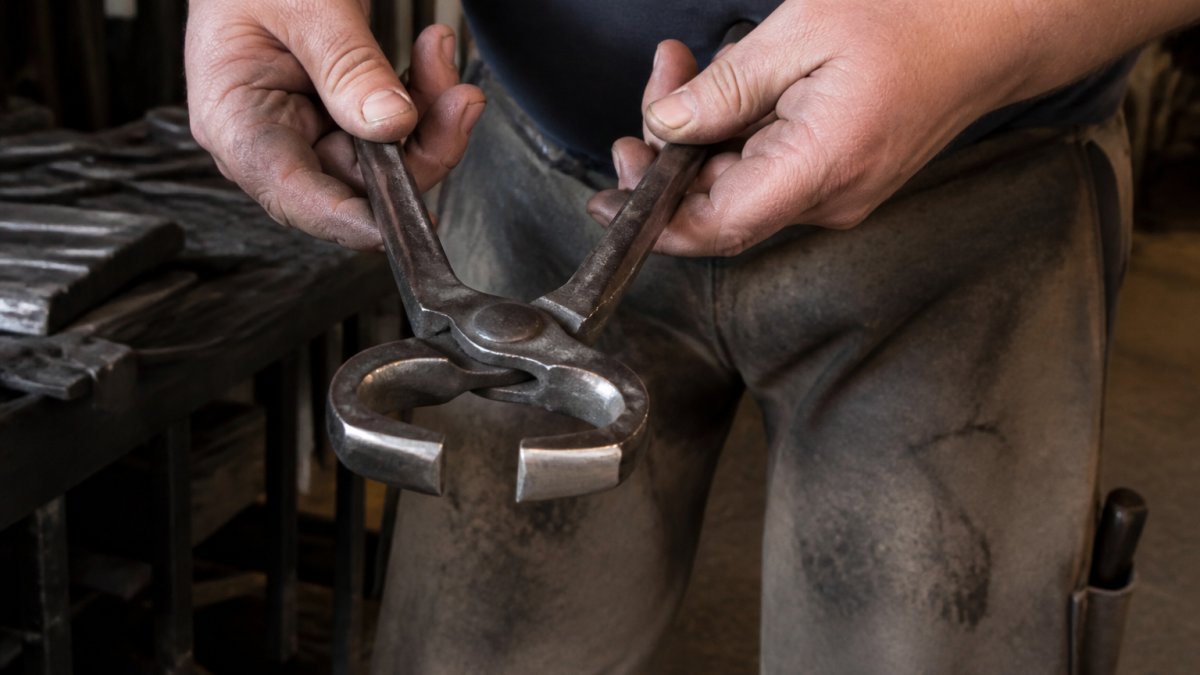
Watch out: a blade that looks sharp but feels gritty across the bevel usually has a rolled edge. Quality nippers start with good steel and a proper heat treat; a quality pair of hoof nippers shows a clean grind and matched blades out of the box.
The Nipper Cutting Test: Soft Material Cuts and Blade Alignment
The fastest test is a soft material cut, if the tool allows it.
Diamond 12" Hoof Nipper FN12 →
Then check the handles: the reins should be the length and spread that fits you ergonomically.
| Check | Good Sign | Bad Sign |
|---|---|---|
| Cutting edge | Straight, even line | Wavy, chipped, or rolled |
| Soft material cut | Clean, flush cut | Crushing or tearing |
| Blade alignment | Full-length contact | Gap or jaw collision |
How to Sharpen Hoof Nippers and When to Stop Trying
- Deep chips that need heavy grinding
- A widening gap honing cannot close
- Soft steel that dulls after a few cuts
- A worn pivot that lets the jaws wobble
Frequently Asked Questions
How can you tell if nippers are low quality?
Start at the cutting edge. Then look at the handles and be certain the reins are the length and spread that fits you ergonomically.
Can you test nippers with a soft material cut?
Yes, and it is the fastest check you can run. Take a piece of soft material, such as a scrap of leather or a soft plastic, and make one firm cut. A good pair of low quality nippers will fail this test clearly: the cut will be ragged, the material will bend instead of shear, and the blades may bind halfway through. Quality nippers leave a clean, flush cut with no crushing at the edges. Do this before you trust a new pair on a hoof.
What should you look for at the cutting edge of nippers?
Look for full contact between the blades along the whole cutting edge, with no visible gap when the jaws are closed. The bevel should be even on both sides, with no chips, nicks, or rolled spots. Check that the blades are aligned, meaning one does not sit proud of the other. If the edge looks wavy or the two blades meet only at the tips, the tool will crush rather than cut. This is one of the clearest signs of low quality nippers.
Low quality nippers cost you time on every trim, and the signs show up fast once you know where to look. At Anvil Brand, we stock professional-grade farrier tools with fast shipping from our Lexington, Illinois facility, a 30-day return window, and expert support to help you pick the right pair. Get started with Anvil Brand and trim with tools that hold their edge.
